Signal A Running Record of Findings from the Internet / October 27, 2026

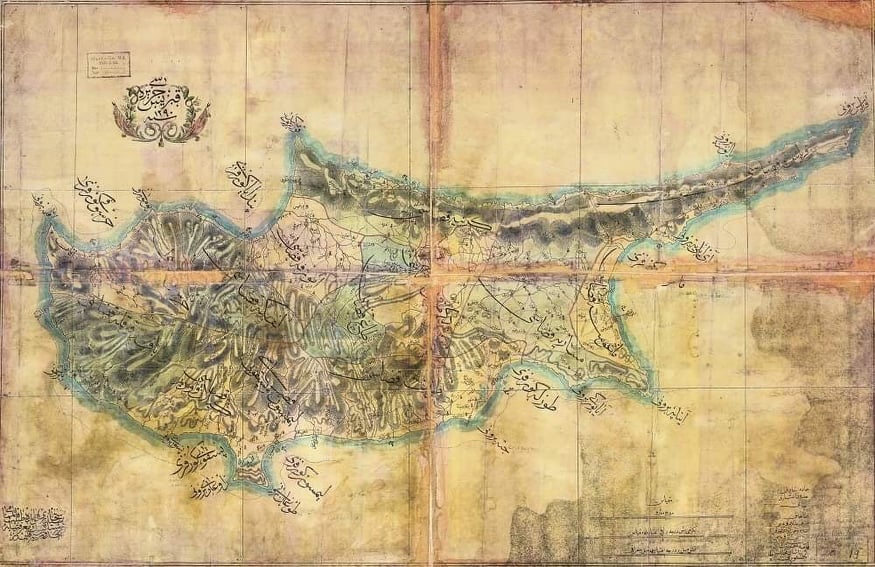
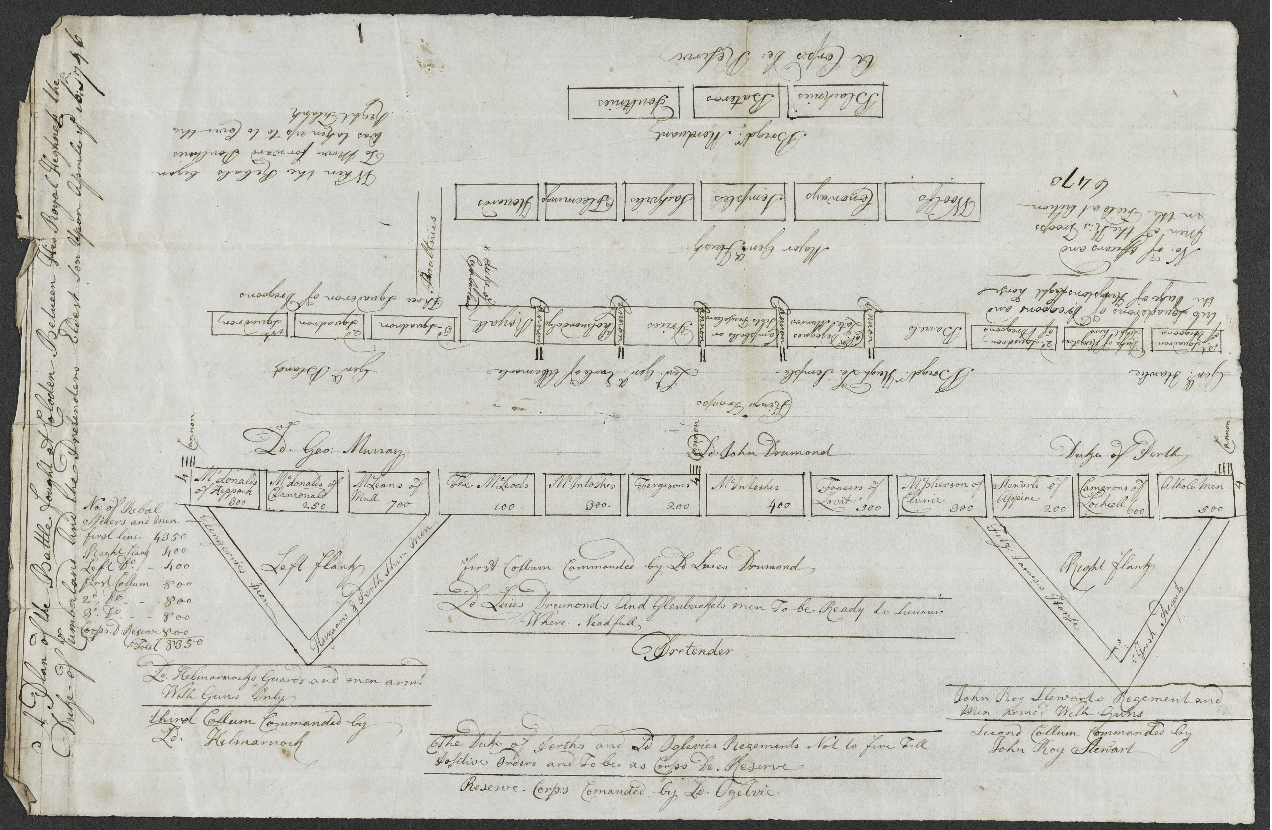
A Plan in National Records of Scotland Shows the Royal Army Wheeling Into Order at Culloden

Ross, writing on the National Records of Scotland blog, presents a plan of the order of the Battle of Culloden, fought on 16 April 1746, as the third in a series on striking and interesting items the archive holds. The plan marks the point at which the Royal army wheeled into order of battle, just south of Castle Stuart, turning towards Castle Dalcross. The battle set the King's army under William Augustus, Duke of Cumberland, against the Jacobite army under Charles Edward Stuart and lasted under an hour. About 1,250 Jacobites were killed, while the government force officially lost 50 men, with 259 wounded. The text comes from the archive's 2025 book Treasures of National Records of Scotland.

Read the story
A Plan in National Records of Scotland Shows the Royal Army Wheeling Into Order at Culloden

Design

Arts & Culture

Sound

Collecting

Document

Film

Signal A Running Record of Findings from the Internet / October 26, 2026

Henry Wessel's Career Laid Out in Prints and Books at the Grolier Club

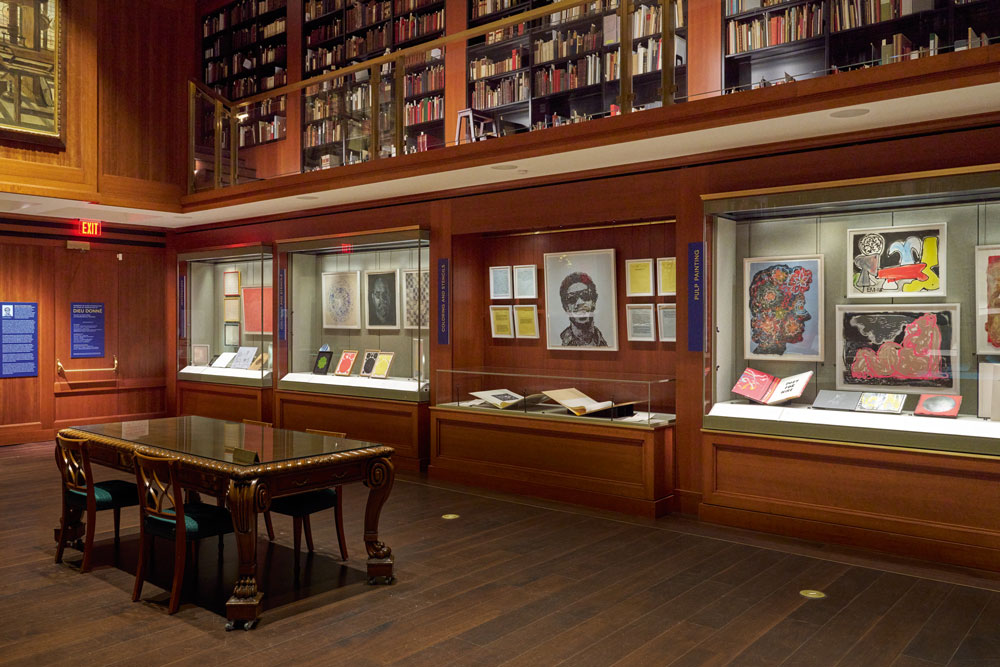
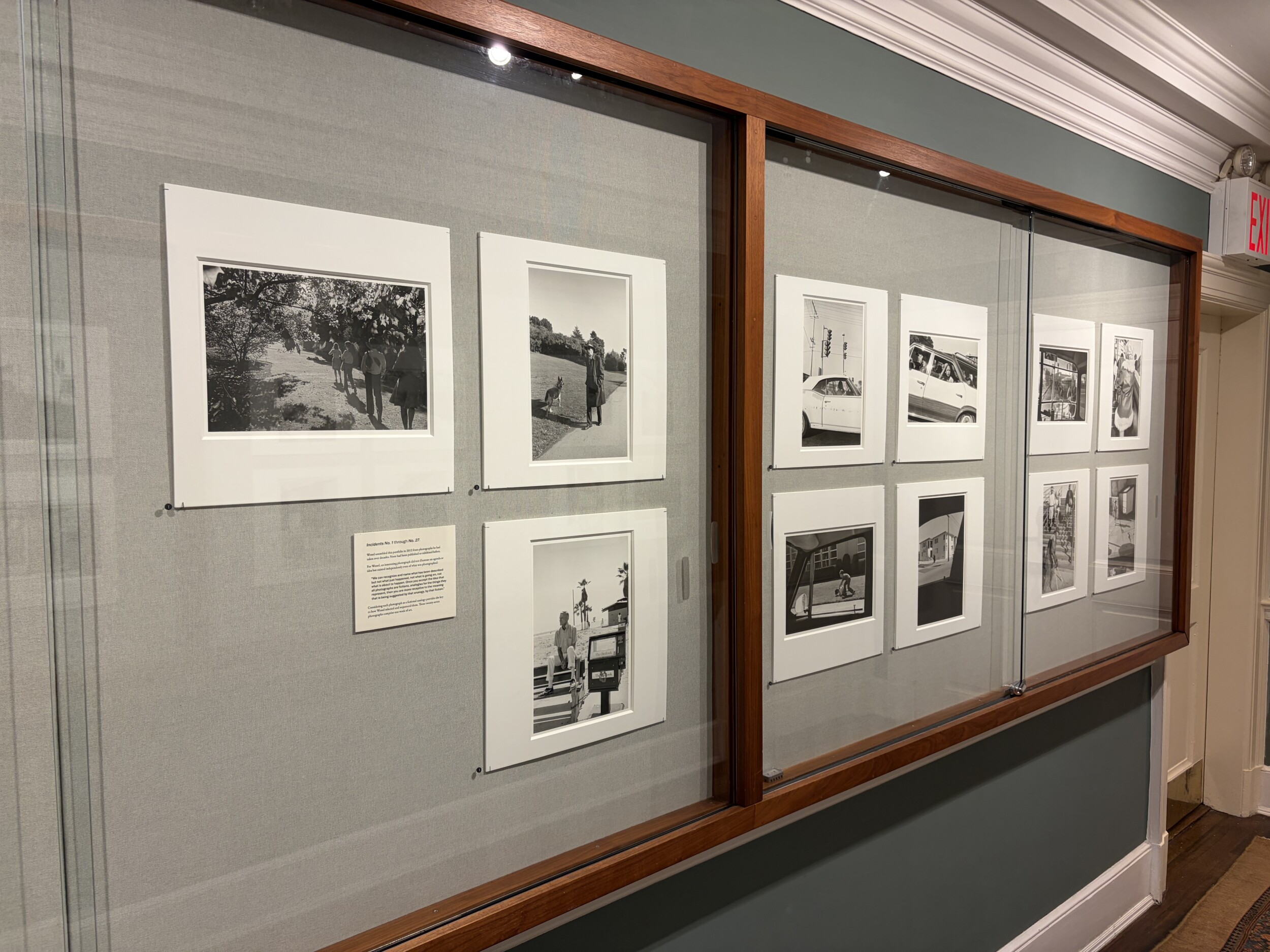
Loring Knoblauch reviews Henry Wessel: Photographs and Books at the Grolier Club in New York, on view until November 14. The show gathers 53 black-and-white and color photographs by Wessel, drawn entirely from the collection of Jack Gray, once his student at the San Francisco Art Institute. Gray owns the entire 27-image Incidents set from 2012, which Wessel called fictional analogies, leaving the viewer to make sense of the possibilities. Glass cases intermingle prints with magazines, books and maquettes. With no comprehensive institutional retrospective since Wessel died in 2018, Knoblauch finds the show expands beyond his early California work to Richmond houses, Los Angeles at night and Las Vegas.

Read the story
Henry Wessel's Career Laid Out in Prints and Books at the Grolier Club

Design

Arts & Culture

Sound

Collecting

Document

Film

Signal A Running Record of Findings from the Internet / October 25, 2026

Inside Church Rate Corner, a Late Baillie Scott House in Cambridge

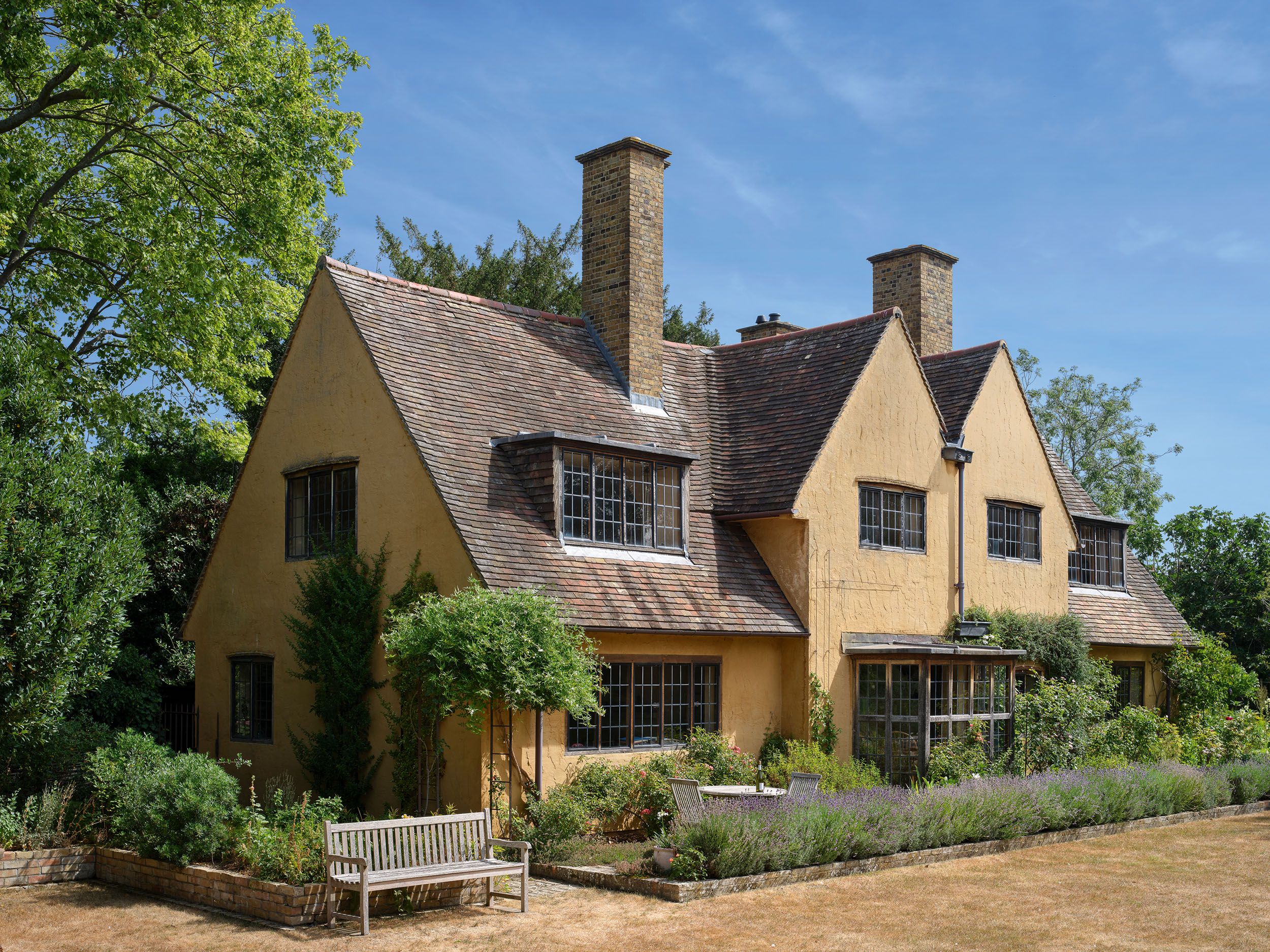
William Fawcett visits Church Rate Corner, a late masterpiece by the Arts-and-Crafts architect M. H. Baillie Scott, set in central Cambridge with no street frontage. Designed in 1924 for Marjorie Duckett as her married home with Arthur Sewell, who died in 1926, it later housed Joan and Stanley Bennett for more than 50 years and now belongs to Michael Nedo and Gillian Moore, only its third owners. Photographed by Will Pryce, the piece walks the almost symmetrical garden front, the south-facing rooms, the plain timber stair and oak-board doors, and a gravity-fed heating system still in operation. Diane Haigh, the author's late wife, was conservation architect for its 1992 restoration.

Read the story
Inside Church Rate Corner, a Late Baillie Scott House in Cambridge

Design

Arts & Culture

Sound

Collecting

Document

Film

Signal A Running Record of Findings from the Internet / October 24, 2026

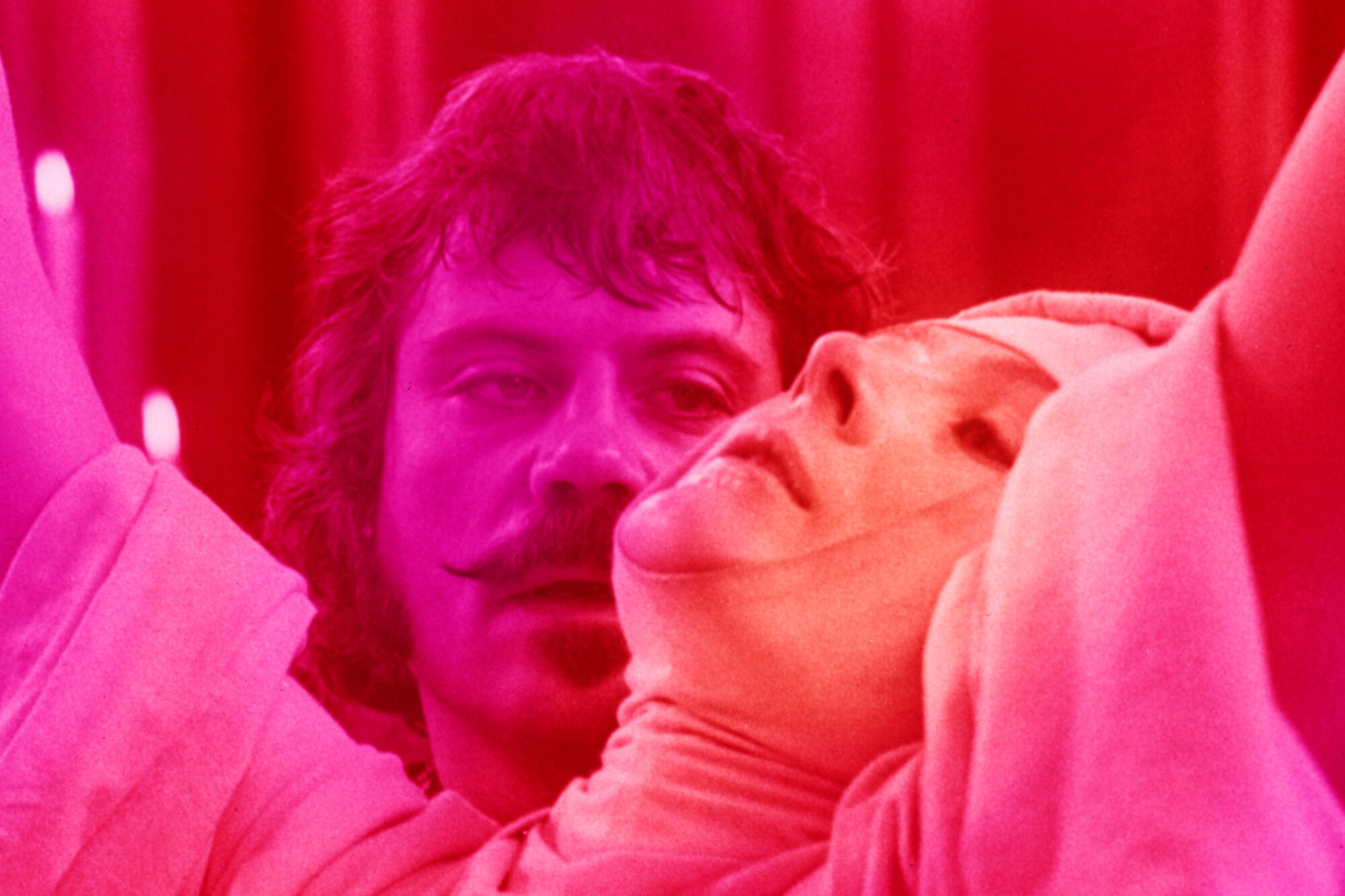
Why Cinema Was John Berger's Medium, From Ways of Seeing to His Films With Alain Tanner

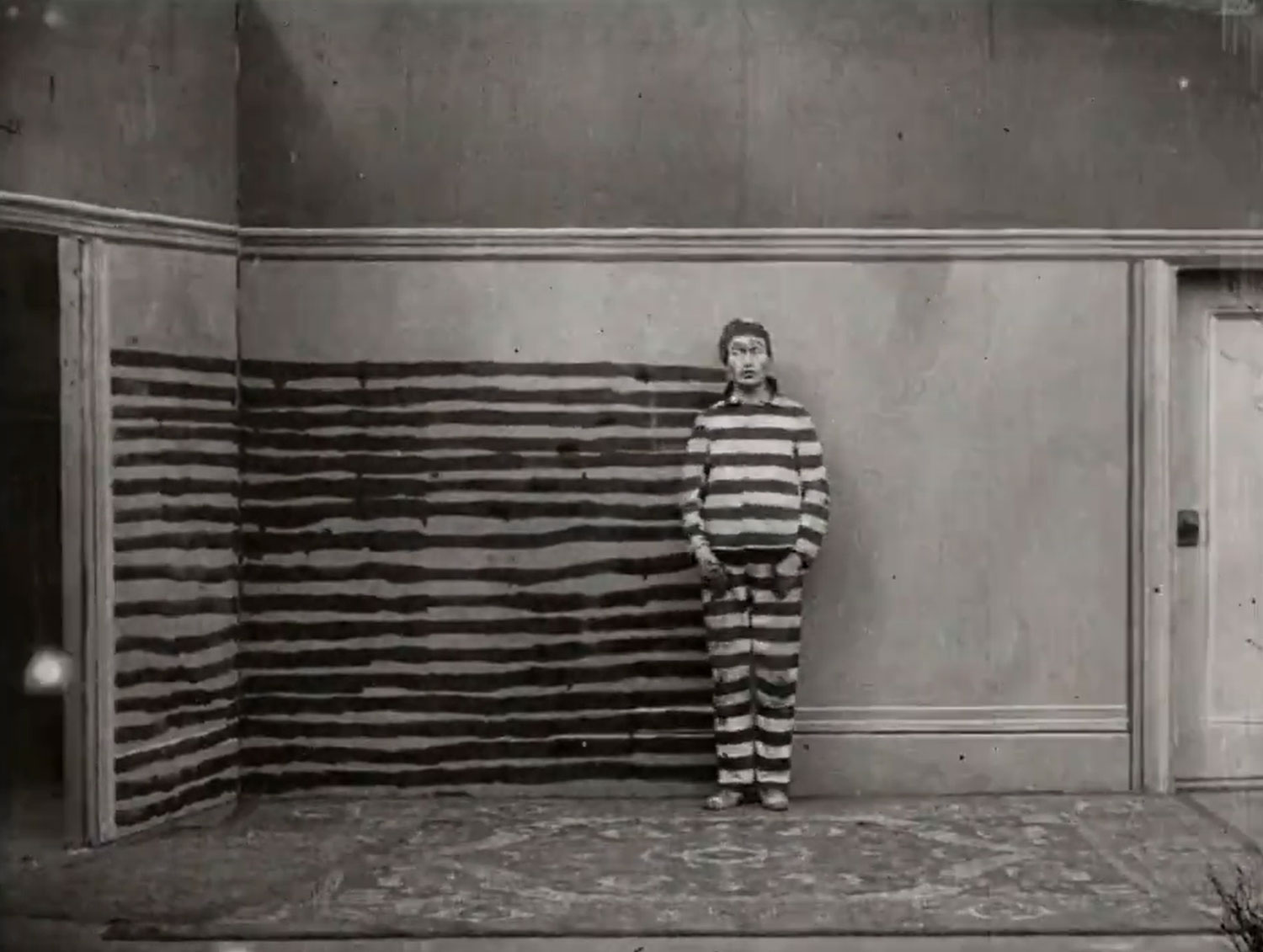
Timed to the centenary of John Berger's birth, Carlos Valladares argues that cinema was 'the Berger medium par excellence,' because it makes the spectator a collaborator in the telling. He traces the critic from a 1936 diary entry recording a solo viewing of Modern Times, through his 1965 Picasso monograph and 'The Moment of Cubism,' which he links to montage, to the novel G. and Ways of Seeing. The essay's heart is Berger's trilogy with Alain Tanner: La salamandre, Middle of the World and Jonah Who Will Be 25 in the Year 2000, read through Miou-Miou's cashier Marie, arrested and deported for giving groceries away.

Read the story
Why Cinema Was John Berger's Medium, From Ways of Seeing to His Films With Alain Tanner

Design

Arts & Culture

Sound

Collecting

Document

Film

Signal A Running Record of Findings from the Internet / October 23, 2026

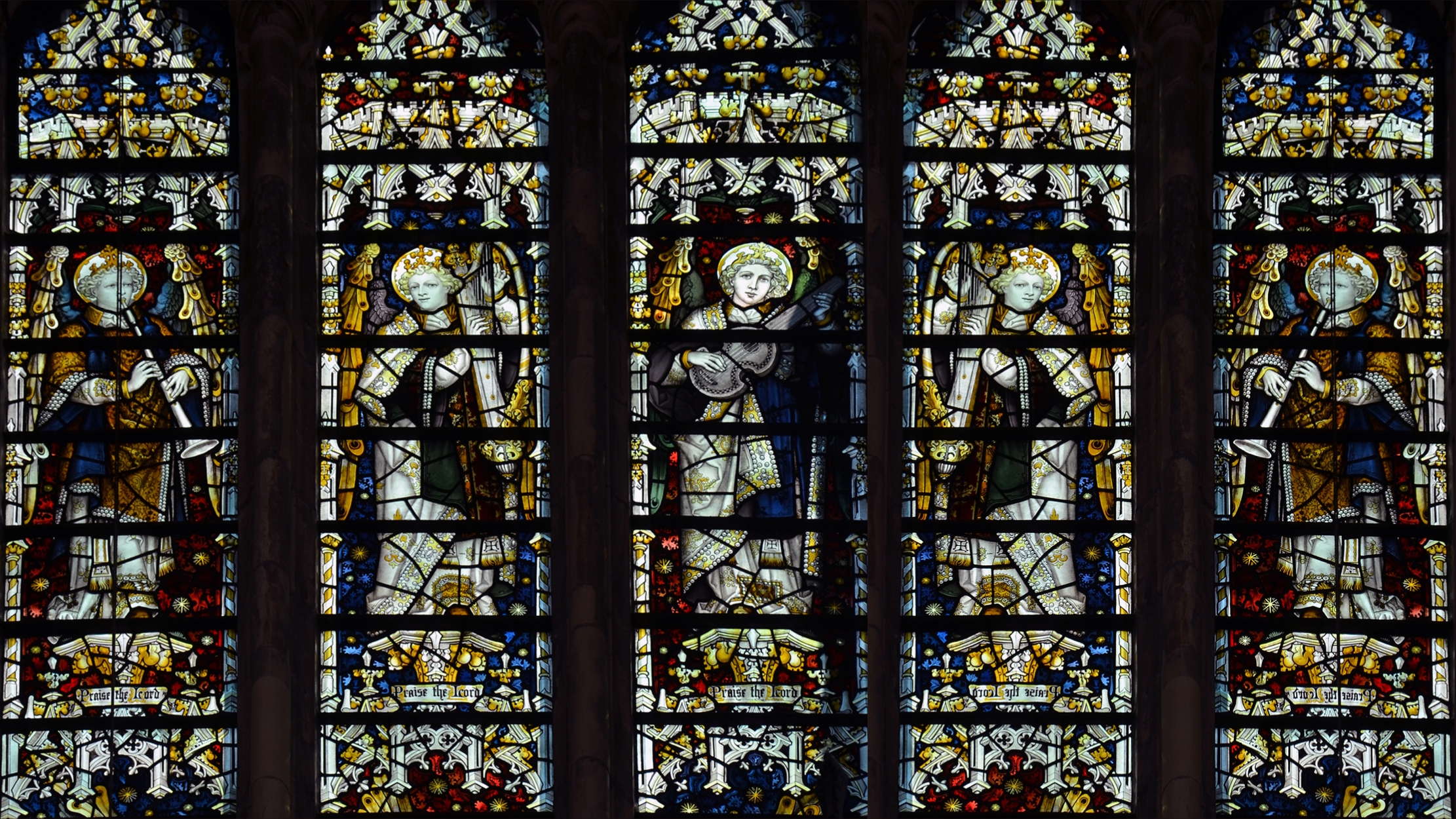
An Organist Plays and Ranks All 606 Hymns in the New English Hymnal

Maddie Lay, an Oxford-based arts writer and part-time church organist, spent a month playing through all 606 entries in the New English Hymnal and ranked every one. Its ancestor, the English Hymnal of 1906, was compiled by Percy Dearmer and Ralph Vaughan Williams, and was initially banned by the Archbishop of Canterbury, lest it dethrone the popular Hymns Ancient and Modern. The 1986 revision kept roughly two-thirds of the original numbers and added about a hundred more. Lay ranks them from the depths of hell to the heights of heaven, as a guide to which hymns deepen worship and which can be safely ignored.

Read the story
An Organist Plays and Ranks All 606 Hymns in the New English Hymnal

Design

Arts & Culture

Sound

Collecting

Document

Film

Signal A Running Record of Findings from the Internet / October 22, 2026

Colin Williamson's Photographs of Japanese Game Culture Enter the Video Game History Foundation Archive

Colin Williamson was a game journalist embedded in Japan from 1999 through the mid-2000s, writing for IGN, Official U.S. PlayStation Magazine and PC Gamer. The Video Game History Foundation has added his photography collection to its digital archive, where the images are freely accessible. Shot on what was then a new digital camera, the hundreds of photos cover Tokyo Game Show, Nintendo's Space World 2000, Akihabara game stores and Sega's Kyoto Joypolis arcade. They include the Shenmue booth at TGS Autumn 1999 and the 2005 Electroplankton launch, where Shigeru Miyamoto and Satoru Iwata joined Toshio Iwai.
Read the story
Colin Williamson's Photographs of Japanese Game Culture Enter the Video Game History Foundation Archive

Design

Arts & Culture

Sound

Collecting

Document

Film

Signal A Running Record of Findings from the Internet / October 21, 2026

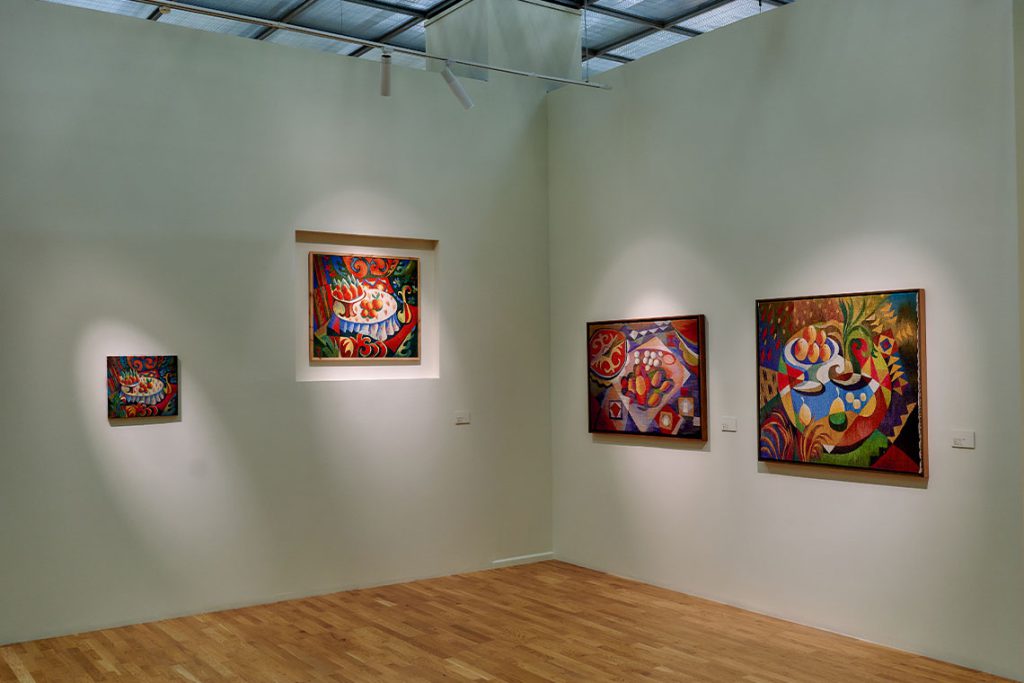
Tori Wrånes Talks Through Her Sailcloth and Bronze Figures in the Nordic Pavilion

John Gayer talks with Tori Wrånes about her work in the Nordic Countries Pavilion at the 61st Venice Biennale, where How Many Angels Can Dance on the Head of a Pin, shared with Klara Kristalova and Benjamin Orlow, runs through November 22. Her largest piece there, Human Lace, joins eight or more figures in sailcloth and bronze. The sails had crossed the Atlantic many times before she learned to stitch them with sail needles, which she likens to sewing with a knife. The birds are sand cast, the hands lost wax, and a foghorn from the city where she grew up sounds once an hour.

Read the story
Tori Wrånes Talks Through Her Sailcloth and Bronze Figures in the Nordic Pavilion

Design

Arts & Culture

Sound

Collecting

Document

Film

Follow Signal

Findings across Design, Arts & Culture, Sound, Collecting, Document & Film, gathered each morning. Picked up wherever they were left.

Subscribe by RSS
Small Revisions crate in primary colors